
Ukrainian · Russian · English · German
★ 5 (3 reviews)· 33 lessons
Language Teacher | Communication Coach | Cultural Connector
Language for travelIntensive language coursesGrammar & vocabularyBusiness language
Language Teacher | Communication Coach | Cultural Connector

Hey! Master Norwegian and English naturally through relaxed conversation. We focus on daily life, workplace communication, or an optional saga track. Friendly, low-pressure lessons tailored to you. (Custom materials must be requested 24–72h in advance for new students.)
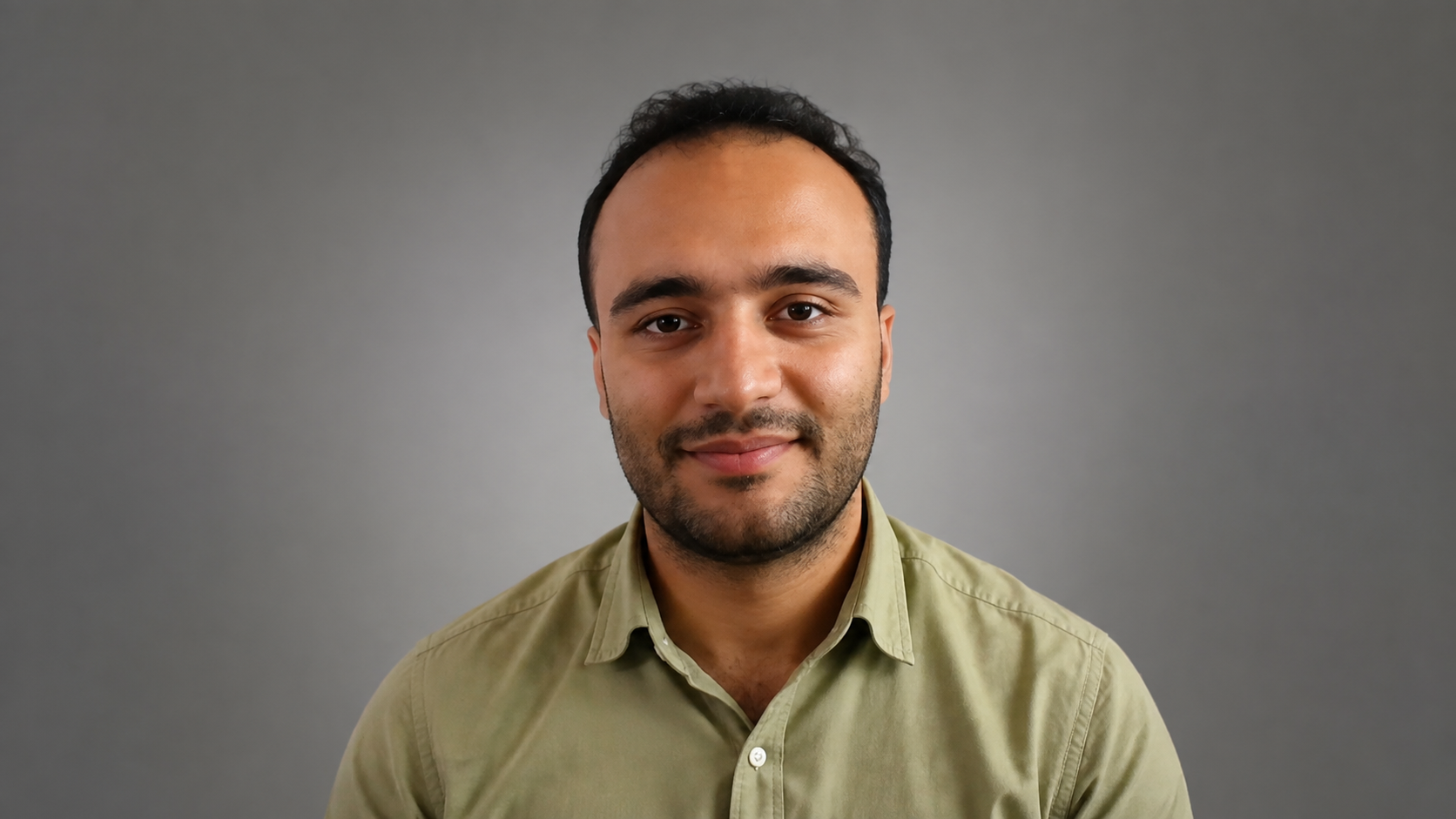
English Teacher
English conversation and Grammar lessons

Experienced English Teacher | Speak English with Confidence
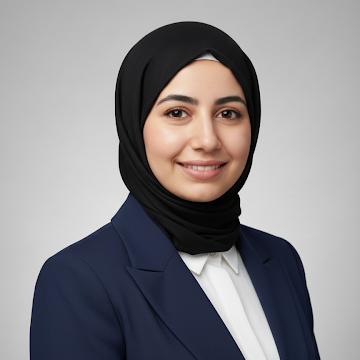
Arabic & English Teacher | Translator
portugueselanguagelessons.net
Goethe and TestDaF preparation, and cases explained once, properly, so they stop being guesswork.
CELI preparation and the tenses that decide it — congiuntivo, condizionale, and the passato remoto you will only ever read.

Academic English and IELTS. I teach the writing task most people lose marks on, then the speaking test they were never actually practising for.

NT2 preparation for people who need the certificate for work, study or naturalisation — programme I and programme II.
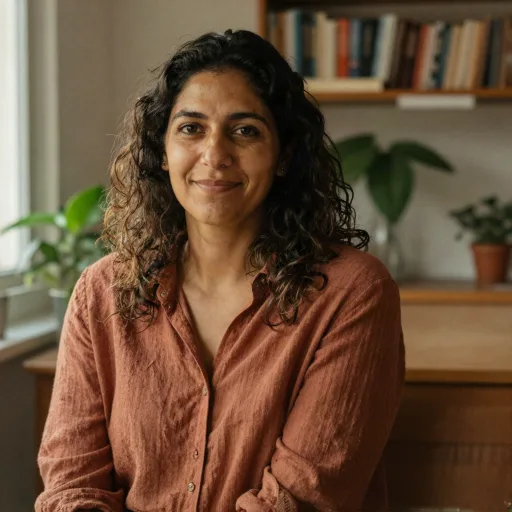
DELE preparation and the subjunctive, taught as a way of thinking rather than a table to memorise.
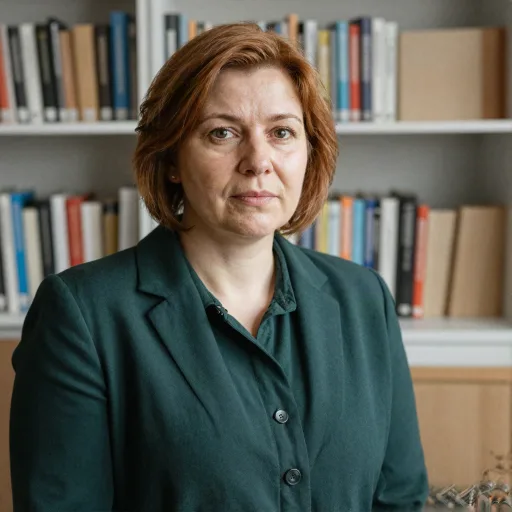
Russian grammar taught systematically, and TORFL preparation for people who need the certificate rather than the vibe.

Mandarin from zero to HSK 5, with tones fixed early rather than apologised for later.
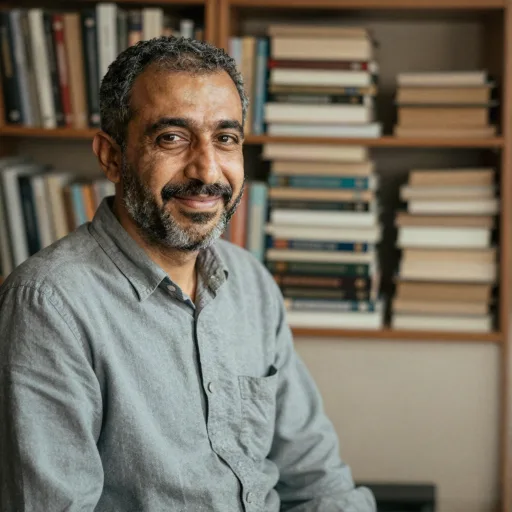
Levantine Arabic — Lebanon, Syria, Jordan, Palestine — which is the dialect most learners actually want and least often find taught.
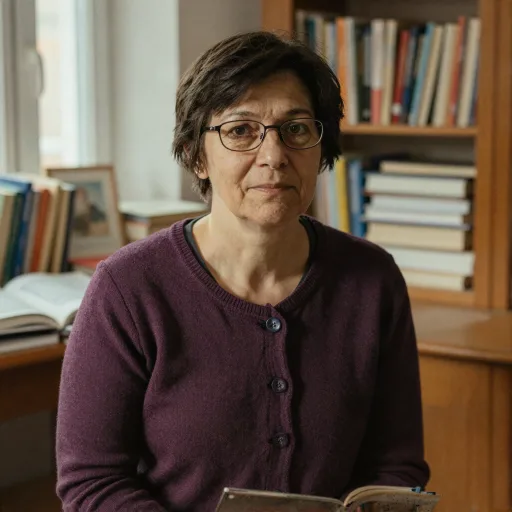
The cases, taught patiently and repeatedly — plus Polish for children of Polish families abroad.

JLPT preparation with a kanji method that works, and grammar explained in plain English when that is faster.
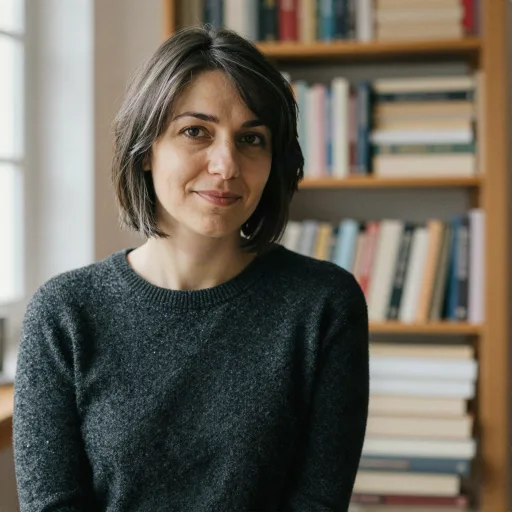
DELF and DALF preparation, and the written French that examiners and employers both read closely.
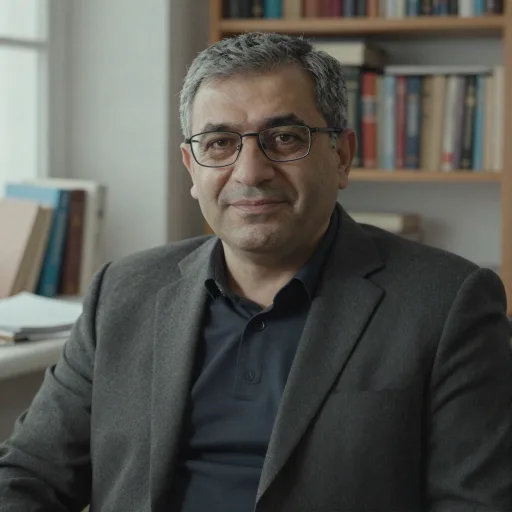
Turkish for exams and for work — including the formal written register that daily conversation never teaches you.

TOPIK preparation, and the speech levels that decide whether Korean sounds right or merely correct.

Workplace German for people already living in it — standups, emails, the Behörde appointment nobody prepares you for.

Business English for people who already work in it — meetings you have to steer, writing that has to land, interviews in your second language.
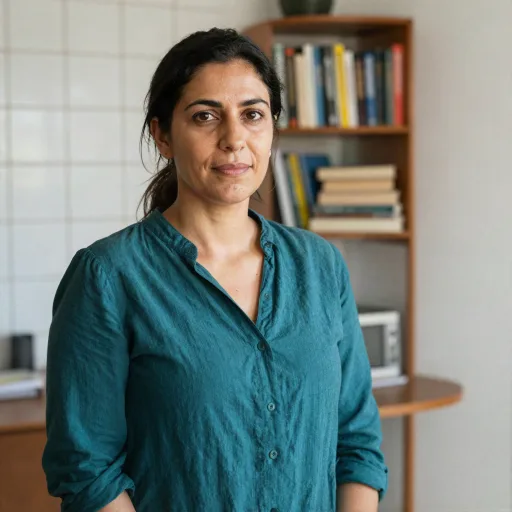
European Portuguese, including the CAPLE exam people need for residency — and the listening that makes Lisbon hard at first.

Business Japanese and keigo for people already working in Japanese companies, where getting politeness wrong is the expensive mistake.
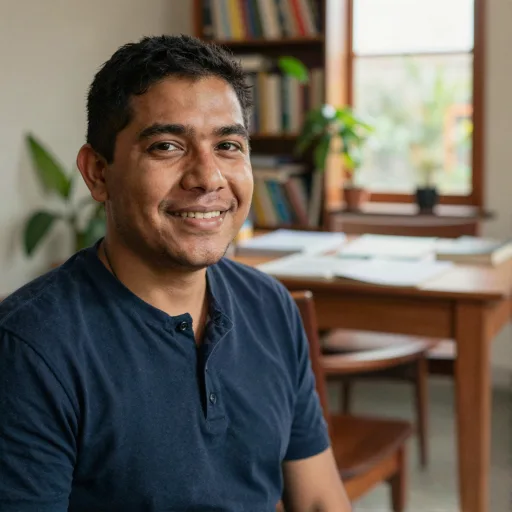
Colombian Spanish, conversation-first. Bring a topic you care about and we will run out of time, not things to say.
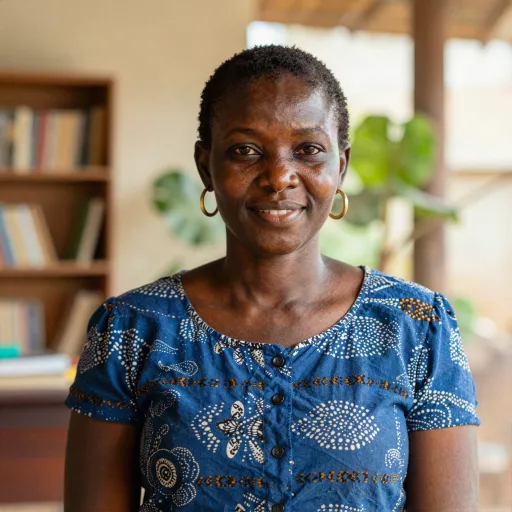
French from zero, taught calmly. Also the West African French you will hear in Dakar, Abidjan and Bamako.
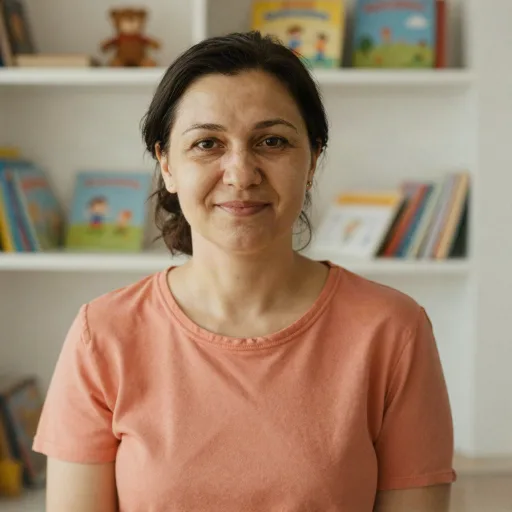
Ukrainian for families abroad — children who hear it at home, and parents who want them to keep it.

Business Mandarin — negotiation, WeChat register, and the meeting etiquette that is not written down anywhere.

Dutch for beginners, taught from Flanders — so you get both the Belgian and the Netherlands versions of what you are learning.
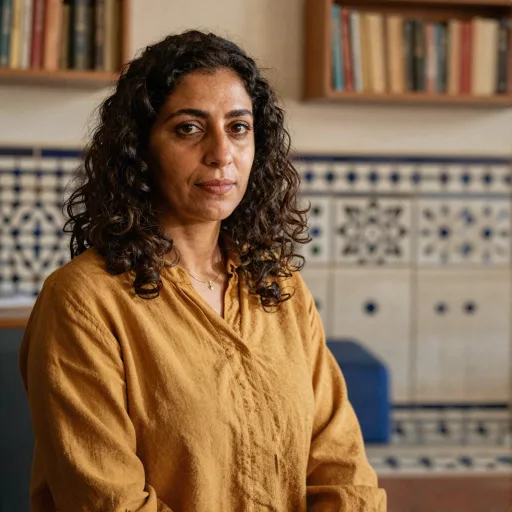
Modern Standard Arabic for reading and writing, Darija for actually being understood in Morocco.

Workplace Polish for people in Polish companies who are tired of everyone switching to English for their benefit.
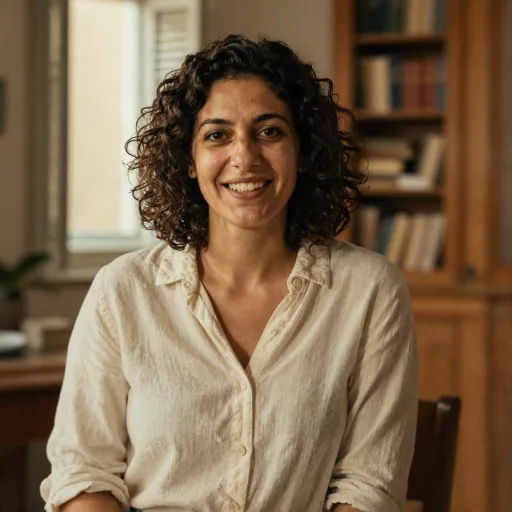
Conversational Italian from Palermo. Food, family and arguing politely — the three things the language is built for.

Conversational Mandarin, and Chinese for families abroad whose children answer in English.
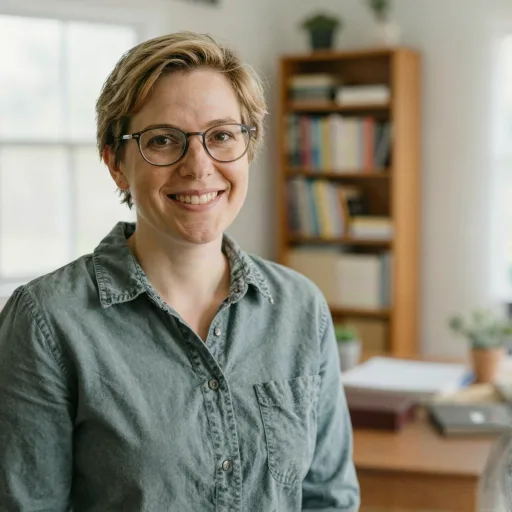
Patient beginner English, and lessons for kids that are actually games with a plan behind them.
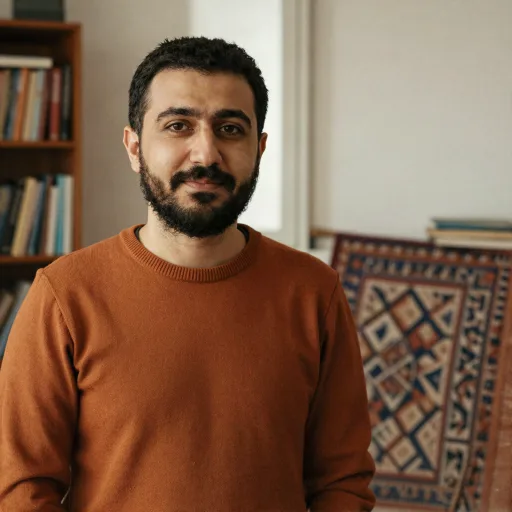
Turkish from zero. The grammar is unfamiliar and extremely regular, which makes it much friendlier than it first looks.

Conversational Korean past the textbook — the contractions, the slang, and the speed people actually talk at in Busan.
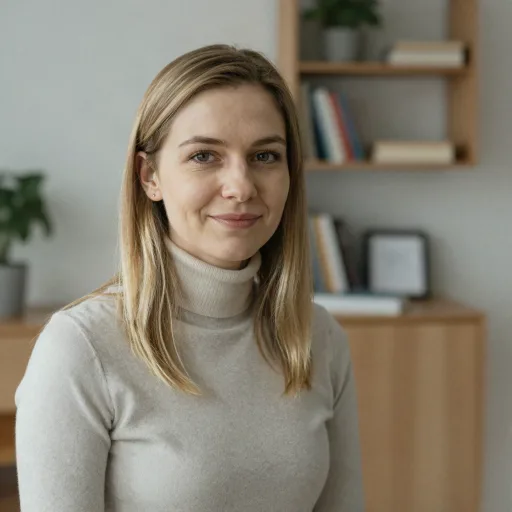
Polish for people who have just moved there and would like to stop being helpless at the post office.

Everyday and professional French, with real attention to the listening gap — understanding spoken French is the part textbooks skip.

Brazilian Portuguese for work and for life — São Paulo speed, with the slang explained rather than avoided.
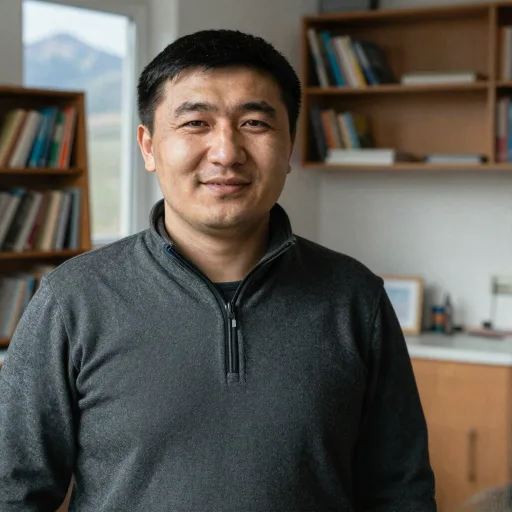
Spoken Russian for work and travel across Central Asia, where it is still the language two strangers land on.
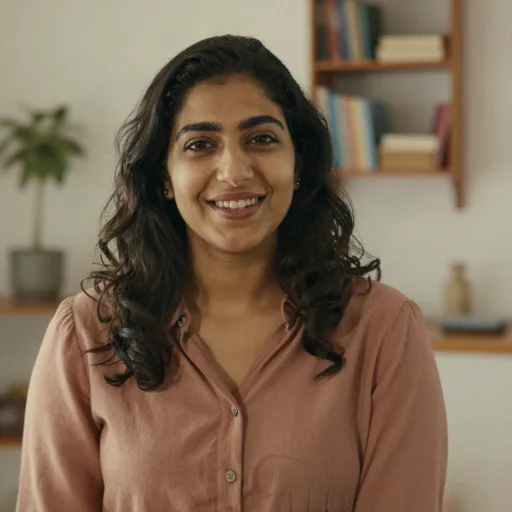
Egyptian Arabic from scratch, and Arabic for children of Arab families growing up elsewhere.
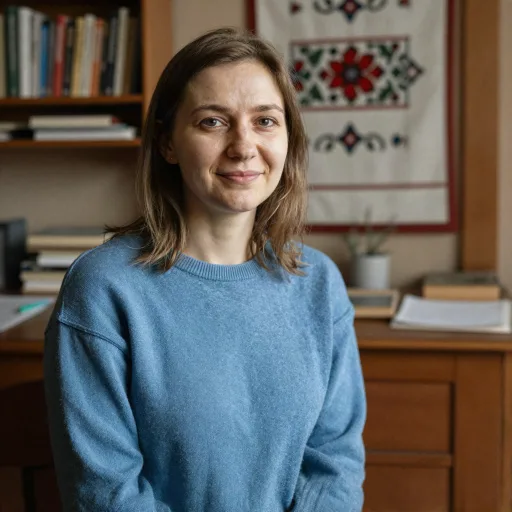
Ukrainian from the alphabet up, at a pace that assumes you have a job and a life.
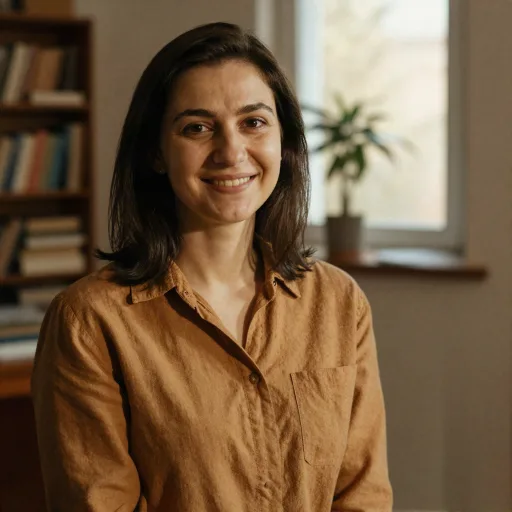
Russian from zero, and for heritage speakers who talk fluently and write like a five-year-old.
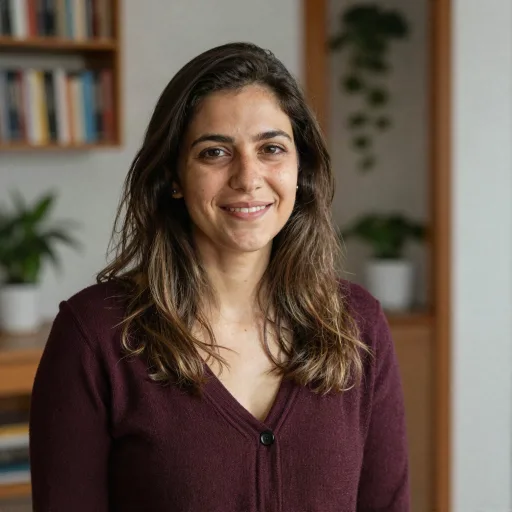
Portuguese from zero, and for the children and grandchildren of Portuguese families who want the language back.

Conversational and professional Ukrainian for people who already have the basics and want to sound like an adult.
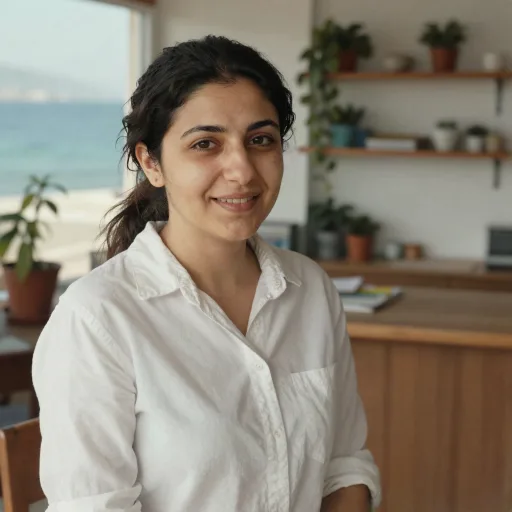
Conversational Turkish, and Turkish for families in Germany, the Netherlands and beyond whose children are losing it.

Japanese from hiragana, gently. Also lessons for children, usually the ones who arrived through anime and stayed.
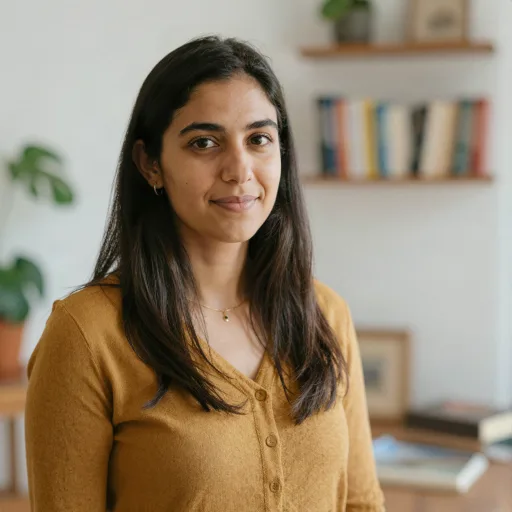
First words to first conversations, and Spanish for heritage kids who understand their grandparents but answer in English.
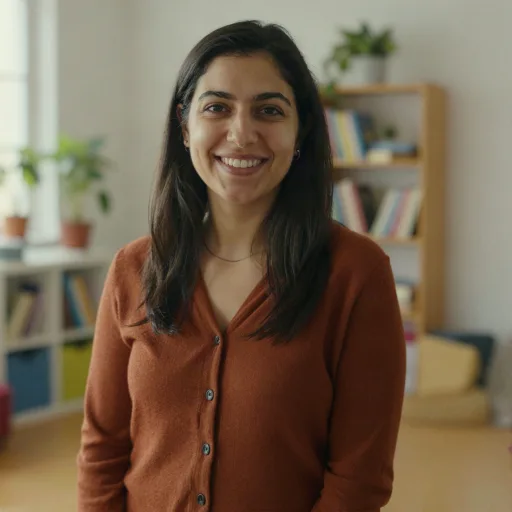
Beginner German, and German for Turkish-speaking families in Germany — including the children who switch languages mid-sentence.
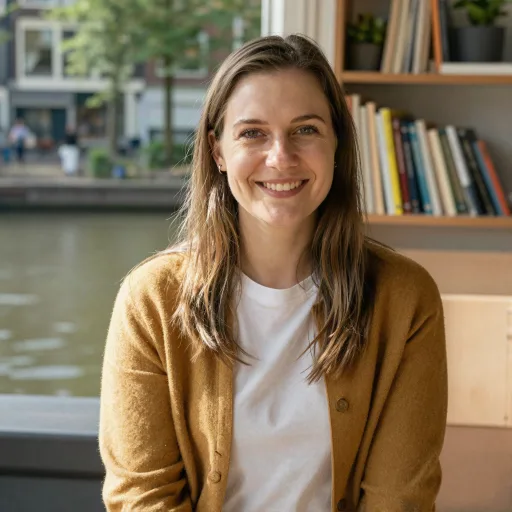
Conversational Dutch for people living in the Netherlands who keep getting answered in English.
Italian from the first word, for travel, for family reasons, or because you have wanted to for twenty years.

Korean from Hangul up. Most people can read it by the end of the second lesson, which is the best hour in language teaching.
“I freeze in stand-ups” narrows better than “B1”. Use the specialty chips — beginners, conversation, business, exam prep, kids — to find teachers who do that specific thing every week rather than occasionally.
Every card shows the teacher's real next openings in your own timezone. A cheaper teacher whose only free hour is 3am where you live is not cheaper.
Buy a package only once you know you get on. A first lesson costs one lesson, and booking with two or three different teachers before settling is normal.
Every teacher you can book here applied and was approved by a person before their first student, and changes to their profile go back to a person. That approval is a review of how they teach and what they say about themselves — we do not collect identity documents or diplomas, and nothing on this page claims we did. The words below are worked out from lessons that actually happened on KoloLingo.
Each language page covers roughly how long it takes to learn, what the CEFR levels mean in practice, and which kinds of lesson suit which goal.
Watch both intro videos and book a lesson with each. Rating and price converge quickly among good teachers; what does not converge is whether their manner suits you. Fifty minutes with each tells you more than an hour of comparing profiles.
Usually not. Price on KoloLingo tracks experience, demand and how long someone has been on the platform far more than it tracks teaching quality. A teacher with a NEW badge is often the same quality at a lower rate, because they are still building a review history.
Your own timezone. The slots are each teacher's genuinely open hours, with existing bookings already removed, so a slot you can see is a slot you can take.
A booked lesson is scheduled ahead and charged per lesson at the teacher's rate. An instant lesson connects you to whoever is free right now, is billed per minute, and needs no calendar. Teachers marked ● FREE NOW are available for the second kind.
Yes, and plenty of learners do — for example a native speaker for conversation and a grammar specialist for structure. Wallet credit works with any teacher, which is what makes this practical; package credits are tied to the teacher you bought them from.
Each teacher decides which lesson lengths they offer and sets a price for each — both are on their card before you click anything. Many teachers also sell lesson packages at their own price, usually cheaper per lesson.
Reschedule or cancel free up to 12 h before the lesson. Any later and it is charged, because your teacher has already turned that slot down for someone else.
No. There is no subscription on KoloLingo. You pay for lessons, either one at a time or by topping up a balance you spend as you go.