Learn a language with a teacher, not an app.
Structured courses, one-to-one lessons, and instant conversation practice — from independent teachers who set their own curriculum.
Twenty free minutes? Someone’s ready to talk.
HOW IT WORKS
Three steps, and none of them is “complete a streak”.
- 1
Tell us the goal, not the level.
“I want to stop freezing in stand-ups” gets you a better match than “B1”. Filter by what you actually need — a first lesson from zero, exam prep with a date attached, or just more talking.
- 2
Meet a teacher.
Book a single lesson before you commit to anything. Book one with three different teachers if you like — you are choosing a person you may spend months with, so it is worth being picky. Nothing renews on its own, and a single lesson never expires.
- 3
Keep the circle turning.
After each lesson you get a summary, the words you stumbled on become flashcards, and practice between lessons is built from your own mistakes. Your teacher sees all of it before the next lesson.
Independent teachers, in your language.

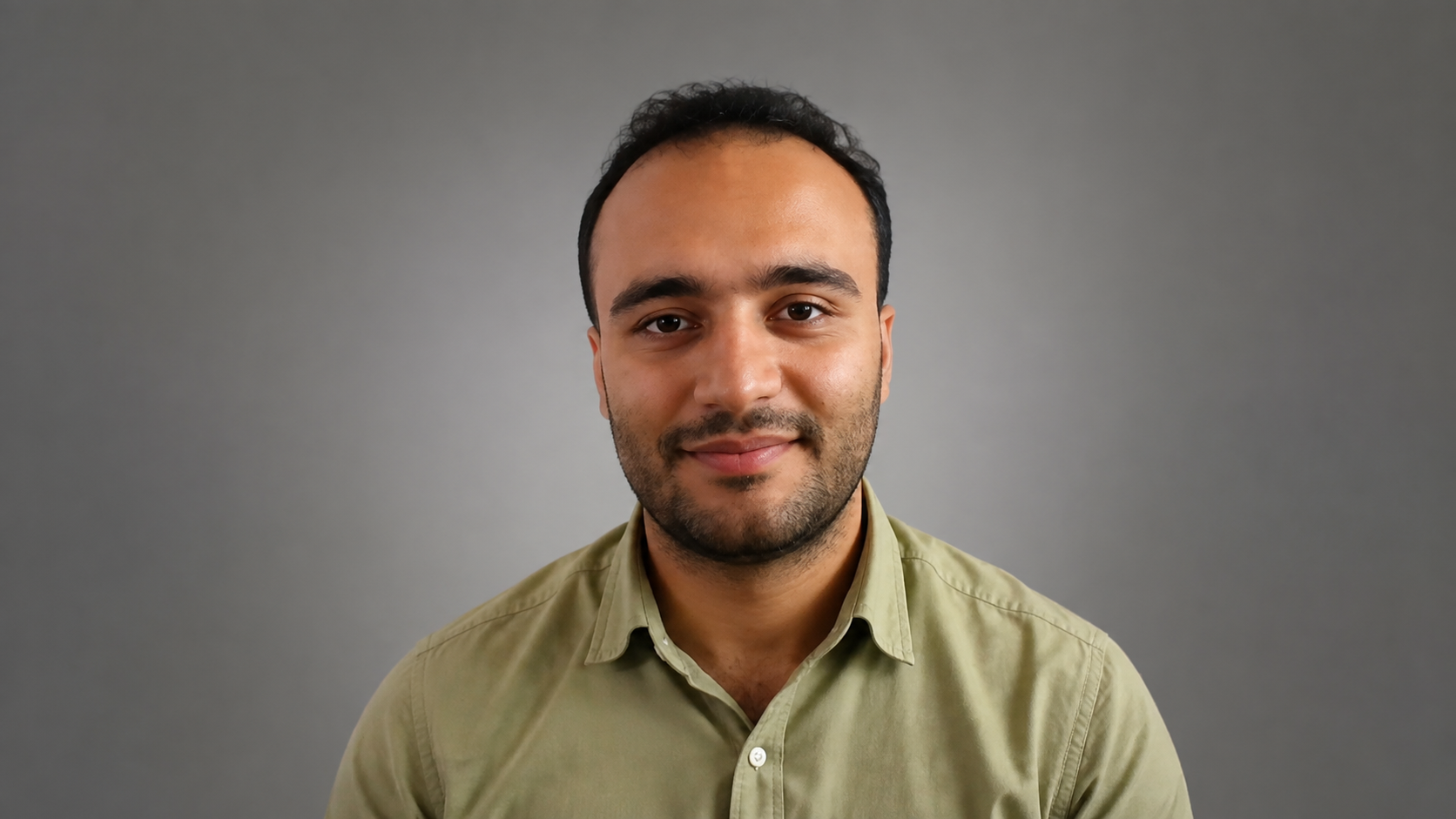
Language Teacher | Communication Coach | Cultural Connector

Hey! Master Norwegian and English naturally through relaxed conversation. We focus on daily life, workplace communication, or an optional saga track. Friendly, low-pressure lessons tailored to you. (Custom materials must be requested 24–72h in advance for new students.)
BROWSE
Pick the language. We will find you the person.
- HelloEnglishEnglish1500M speakers
- ¡Hola!SpanishEspañol560M speakers
- BonjourFrenchFrançais310M speakers
- Guten TagGermanDeutsch135M speakers
- CiaoItalianItaliano85M speakers
- OláPortuguesePortuguês260M speakers
- Добрий деньUkrainianУкраїнська40M speakers
- ЗдравствуйтеRussianРусский255M speakers
- Dzień dobryPolishPolski45M speakers
- こんにちはJapanese日本語125M speakers
- 你好Chinese中文1100M speakers
- 안녕하세요Korean한국어82M speakers
- مرحباArabicالعربية400M speakers
- MerhabaTurkishTürkçe88M speakers
- HalloDutchNederlands25M speakers
- HeiNorwegianNorsk5M speakers
- HejSwedishSvenska13M speakers
- MoiFinnishsuomi5M speakers
Full curricula, built by the teachers themselves.
 B1 → B2 · NT2COMING SOON
The exam most professionals need, worked to the assessment criteria — with an honest estimate of the hours.
 A2 → B1 · CEFRCOMING SOON
European Portuguese eats its vowels. If you studied the Brazilian variety and understood nothing on arrival, start here.
 A1 → B1 · CEFRCOMING SOON
One function per case, introduced in speech before the next arrives — the order that stops people quitting in month three.
 A2 → B1 · CEFRCOMING SOON
The system that arrives all at once and ends most Russian courses, sequenced so it does not.
 A1 · CEFRCOMING SOON
The twenty situations you actually hit after moving — post office, pharmacy, landlord — with the grammar attached to them.
 B1 → B2 · CEFRCOMING SOON
Not a table of triggers — a stance you take towards what you are saying. Built for the learners who stalled here.
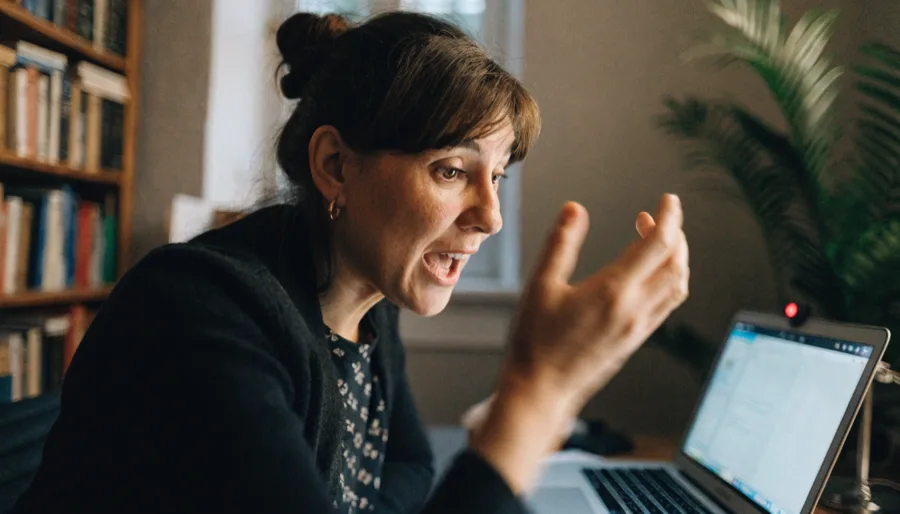
One room for video, whiteboard and everything you say.
 Olena — teacher
 you
youWhat learners say
“The AI summary after each lesson is the thing I didn’t know I needed. I stopped taking notes during class and just talk — the vocabulary shows up in my deck by itself.”

“I book a lesson on the nights my daughter finally goes down. Fifteen minutes, no calendar, no planning. It is the only reason I have kept this up for a year.”
“I had six weeks before my exam and my teacher rebuilt the whole plan around writing, which was the only part I kept failing. I passed comfortably.”

WHAT IT COSTS
You pay for lessons. That is the whole model.
Every teacher sets their own price per 50 minutes, and you see it before you book. There is no subscription and nothing renews on its own. Your balance never expires, and if a package has a validity window, you see it before you buy.
25 minutes
×0.6
A short check-in, or lessons for children.
50 minutes
base rate
The standard lesson.
80 minutes
×1.5
Deeper work — exam practice, long conversation.
Two ways to pay ahead
One buys you a discount, the other buys you freedom to change your mind. You can use both.
Buy a package
Packages, priced by your teacher
Many teachers sell lesson bundles at a price they set — usually cheaper per lesson than booking one at a time. You get lesson credits for the length you bought — a 50-minute credit is a 50-minute lesson.
- Cheapest per lesson
- Credits are tied to that teacher and duration
- Best once you know who you want to learn with
Top up your balance
Spend it on anyone
Add between $5 and $1,000 to your wallet and spend it with any teacher on KoloLingo. Presets are $20, $50 and $100. Every movement is on a ledger you can read on your account page.
- Works across every teacher and language
- No discount — you pay each teacher's rate
- Best while you are still choosing
Pay online or with crypto — USDT and USDC on Polygon.
QUESTIONS
The things people ask before booking.
How is KoloLingo different from a language app like Duolingo?
An app can teach you to recognise vocabulary. It cannot hear that you have been stressing the wrong syllable for six months, or notice that you avoid the past tense entirely. Every lesson on KoloLingo is with a person who plans around you. The app-like parts — flashcards, drills, practice between lessons — are generated from your own lessons rather than replacing them.
How much does a lesson cost?
Each teacher decides which lesson lengths they offer and sets a price for each — you see both on their profile before you book. There is no subscription and no platform fee added on top of what the teacher charges.
Can I get a discount?
Often, yes — many teachers sell lesson packages at a price they set themselves, usually cheaper per lesson than booking one at a time. You receive lesson credits for the length you bought — a 50-minute credit books a 50-minute lesson — they are tied to that teacher, and some packages have a validity window that is shown before you buy.
What is the wallet, and how is it different from a package?
The wallet is a balance you top up and spend with any teacher on the platform. You can add anything from $5 to $1,000, with presets at $20, $50 and $100, and every top-up and charge appears in a statement on your account page. There is no discount on wallet money — packages are the cheaper route — but nothing ties the balance to one teacher, so it fits while you are still choosing or learning with several people.
What is an instant lesson?
Teachers can mark themselves free right now. You see who is available, tap to talk, and are usually connected inside a minute. Instant lessons are billed per minute rather than per lesson, and either side can end the call. It exists for the times you have twenty spare minutes at an hour when nobody takes bookings.
Do I need to know anything before my first lesson?
No. Most teachers run first lessons for absolute beginners partly in a language you already share, and switch over as you gain ground. When you browse teachers, filtering for beginners finds the ones who do this every day rather than occasionally.
What if I do not get on with my teacher?
Book someone else — nothing ties you to a teacher unless you bought a package with them. Choosing a teacher is a matching problem, and trying two or three before settling is normal rather than a sign anything went wrong.
Can I change lesson times, or cancel?
You can reschedule or cancel free up to 12 h before a lesson. Any later and the lesson is charged, because your teacher has already turned down that slot.
How do the AI features work, and do they replace the teacher?
They work around the lesson, never instead of it. During the lesson, words you stumble on are captured with the sentence they appeared in. Afterwards you get a summary — how much of the time you spoke, which grammar points came up, what to work on. Those become flashcards and exercises before your next lesson, and your teacher sees the same summary you do.
Which languages can I learn?
Fifteen languages have full guides and catalogues, including English, Spanish, French, German, Italian, Portuguese, Ukrainian, Russian, Polish, Japanese, Chinese, Korean, Arabic, Turkish and Dutch. Browse the languages page to see which teachers are available in each.
How do I pay?
Pay online by card — Apple Pay and Google Pay where supported — or with USDT and USDC. Prices are shown in dollars, and crypto payments lock the exchange rate while the transfer confirms.
Teaching, not learning?
Open your own academy on KoloLingo — set your own prices, build your own courses, and keep the students you bring.